
Buying a property is one of the biggest financial commitments most people will ever make. Whether you own a family home, an investment property, or a holiday home, protecting that investment should always be a priority. One of the most effective ways to do that is through regular property inspections.
Many homeowners only think about inspections when buying or selling a property. However, inspections play an important role throughout the entire ownership journey. They help identify small issues before they become expensive repairs, ensure the property remains safe, and preserve its long-term value.
In this guide, we’ll explain why a property inspection is important, what it typically involves, and how regular inspections can help homeowners make informed decisions while protecting their investment.
What Is a Property Inspection?
A property inspection is a detailed assessment of a property’s overall condition. It involves examining key areas of the home to identify signs of damage, wear and tear, maintenance issues, or potential safety concerns.
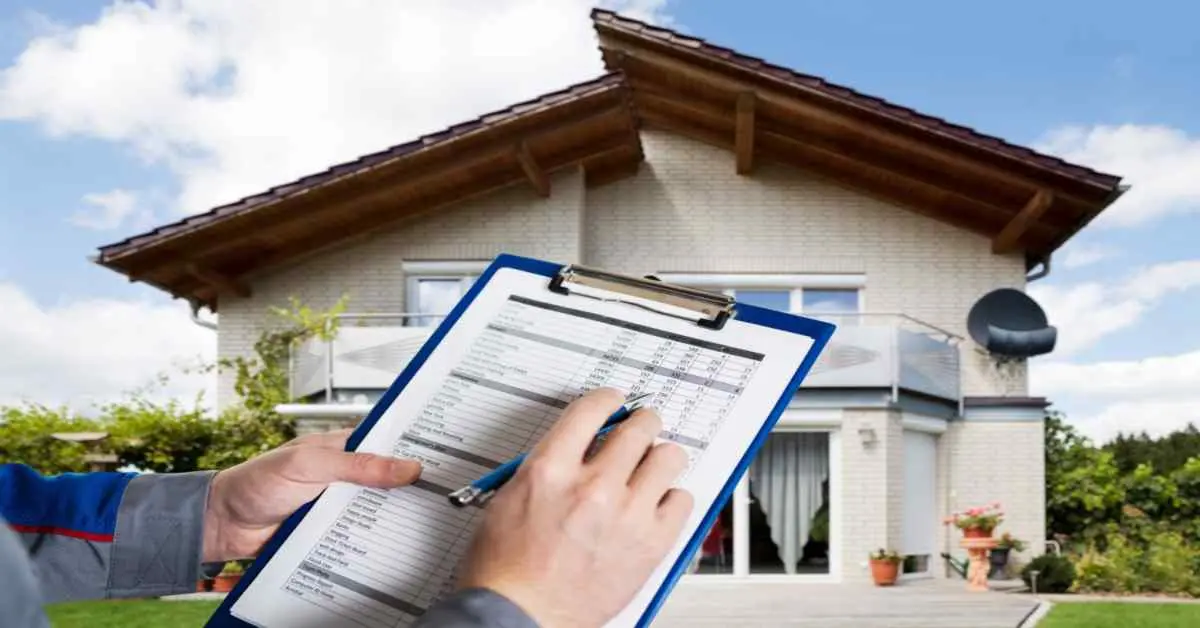
Depending on the purpose of the inspection, it may focus on different aspects of the property, including its structure, plumbing, electrical systems, roofing, flooring, and exterior features.
A property inspection provides homeowners with valuable information about the current condition of their property and helps them plan future maintenance more effectively.
Why Property Inspections Are Important
Regular property inspections allow homeowners to detect problems early rather than waiting until they become major repairs. Some of the key benefits include:
- Identifying maintenance issues before they worsen.
- Protecting the property’s long-term value.
- Improving home safety.
- Supporting informed buying or selling decisions.
- Reducing the risk of unexpected repair costs.
- Helping homeowners plan future maintenance.
Rather than viewing inspections as an additional expense, they should be considered an investment in the property’s long-term condition.
Detect Problems Before They Become Expensive
Small maintenance issues rarely remain small forever. A minor roof leak, a loose tile, or a plumbing issue may seem insignificant today, but over time these problems can lead to structural damage, mould, or costly repairs.
Regular inspections allow homeowners to identify these concerns early and address them before they become more serious. Preventive maintenance is almost always more affordable than emergency repairs.
Protect Your Property Investment
For most homeowners, property represents one of their largest assets. Maintaining the property in excellent condition helps preserve its market value while making it more attractive to future buyers should you decide to sell.
A well-maintained home often requires fewer repairs, presents better during viewings, and demonstrates responsible ownership. Routine inspections are an important part of protecting that investment over the long term.
Improve Safety Around the Home
Property inspections also contribute to a safer living environment. Inspecting important systems and structural components can help identify potential hazards before they create risks for occupants. Areas commonly reviewed include:
- Electrical systems.
- Plumbing.
- Roofing.
- Stairs and railings.
- Doors and windows.
- Smoke alarms.
- Ventilation.
Maintaining these areas improves both safety and comfort for everyone living in the property.
Support Better Maintenance Planning
One of the greatest advantages of regular property inspections is the ability to plan maintenance rather than reacting to unexpected issues. After an inspection, homeowners can prioritise repairs based on urgency and budget. This approach allows for:
- Better financial planning.
- Reduced emergency repairs.
- Improved property condition.
- More efficient maintenance scheduling.
Having a maintenance plan also helps extend the lifespan of many building components.
What Does a Property Inspection Usually Cover?
While every property is different, a comprehensive property inspection typically includes several key areas.
Exterior
The inspector may examine:
- Roof condition.
- Gutters and drainage.
- Exterior walls.
- Driveways and pathways.
- Fencing.
- Landscaping.
Interior
Inside the property, inspections often cover:
- Walls and ceilings.
- Flooring.
- Windows and doors.
- Kitchen and bathrooms.
- Built-in storage.
- Signs of moisture or mould.
Structural Elements
Structural inspections may assess:
- Foundations.
- Load-bearing walls.
- Roof structure.
- Visible signs of movement or cracking.
Mechanical Systems
Important systems usually include:
- Plumbing.
- Electrical wiring.
- Heating and cooling systems.
- Water heating equipment.
- Ventilation systems.
Reviewing these components helps ensure the property remains functional and well maintained.
When Should You Schedule a Property Inspection?
Property inspections are beneficial throughout the ownership journey, not only when purchasing a home. Consider arranging an inspection:
- Before buying a property.
- Before selling your home.
- After severe weather.
- Following major renovations.
- Before renting out a property.
- As part of regular home maintenance.
Regular inspections provide peace of mind and help homeowners stay ahead of potential issues.
Common Issues Found During Property Inspections
Every property experiences natural wear over time. Some of the most commonly identified issues include:
- Roof damage.
- Plumbing leaks.
- Electrical faults.
- Dampness or mould.
- Foundation cracks.
- Poor drainage.
- Damaged flooring.
- Worn exterior finishes.
Finding these issues early often makes repairs simpler and more cost-effective.
A Property Inspection Checklist
Before arranging an inspection, it’s helpful to know which areas should receive attention. A basic checklist includes:
- Inspect the roof and gutters.
- Check walls for cracks or dampness.
- Test plumbing fixtures.
- Examine electrical outlets and switches.
- Inspect windows and doors.
- Review heating and cooling systems.
- Check flooring for damage.
- Ensure smoke alarms are working.
- Inspect outdoor drainage.
- Look for signs of pests or water damage.
Using a checklist helps ensure no important areas are overlooked.
Why Professional Guidance Matters
Although homeowners can carry out basic visual checks, professional inspections provide a more detailed assessment of the property’s condition. Experienced professionals know what to look for and can identify issues that may not be immediately visible. Their expertise helps homeowners:
- Understand maintenance priorities.
- Plan future repairs.
- Make informed property decisions.
- Protect the long-term value of their investment.
Professional guidance is especially valuable before purchasing, selling, or making significant improvements to a property.
Building a Long-Term Maintenance Strategy
Property ownership is an ongoing responsibility, and regular inspections form the foundation of an effective maintenance strategy.
Rather than waiting for problems to appear, homeowners who schedule routine inspections can better manage repairs, control maintenance costs, and extend the life of their property. A proactive approach also helps maintain the property’s appearance and market value, making it a more enjoyable place to live and a stronger asset for the future.
Consistent maintenance supported by regular inspections is one of the smartest ways to protect your investment over the long term.
Final Thoughts
A property inspection is much more than a routine check. It is an important part of responsible property ownership that helps homeowners identify potential issues, improve safety, and protect one of their most valuable assets.
Whether you’re buying your first home, maintaining a family residence, or managing an investment property, regular inspections can save time, reduce unexpected expenses, and support better long-term decision-making. By identifying small problems early and planning maintenance proactively, you can preserve your property’s condition and value for years to come.
Taking a proactive approach to property inspections today can help you avoid costly surprises tomorrow and ensure your property continues to serve your needs well into the future.